
Exploring the psychology behind casino design
The Influence of Environment on Player Behavior
The design of a casino is meticulously crafted to create an inviting atmosphere that encourages prolonged play and exploration. Ambient factors like lighting, sound, and layout significantly influence a player’s mood and decision-making. For instance, soft, warm lighting can create a cozy environment, promoting comfort and relaxation, while vibrant colors and twinkling lights evoke excitement and energy. Additionally, those interested in enhancing their experience might also explore nrl betting as part of their entertainment options. These carefully curated sensory elements serve to captivate players, often leading them to lose track of time and become fully immersed in the gaming experience.
Moreover, the strategic placement of gaming machines and tables plays a crucial role in shaping player experiences. Casinos often employ a layout that fosters exploration, ensuring that players encounter a variety of games and enticing features as they navigate the space. The design compels players to wander further into the casino, where they are met with new distractions, potentially increasing time spent and money wagered. This approach not only boosts revenue but also enhances the entertainment value, ensuring players remain engaged and entertained.
Understanding how environmental factors impact player behavior allows casino operators to optimize their design. For example, research shows that the presence of music can both mask noise and influence the pace of play. Faster-paced music may encourage quicker betting, while slower tunes can create a more relaxed environment. This knowledge empowers casinos to manipulate the auditory landscape, tailoring the experience to suit their goals and enhance player satisfaction.
The Role of Spatial Layout
The spatial organization of a casino is a pivotal aspect of its design that influences how players interact with the space and one another. An open layout allows for easy navigation and creates a sense of freedom, encouraging players to explore various gaming options. Conversely, more compact layouts may foster a sense of intimacy, heightening social interaction among players. This strategic arrangement can significantly impact player engagement, prompting them to linger longer in specific areas of the casino.
Furthermore, the placement of high-stakes tables near entrances can serve as a psychological tactic to attract attention. By positioning these games in visible locations, casinos can create an allure that piques curiosity and draws players in. This principle of visibility extends to promotional displays as well, with strategic placements intended to catch the eye and encourage participation. The effective use of spatial design ultimately enhances the gaming experience, guiding players toward areas that maximize enjoyment and financial returns.
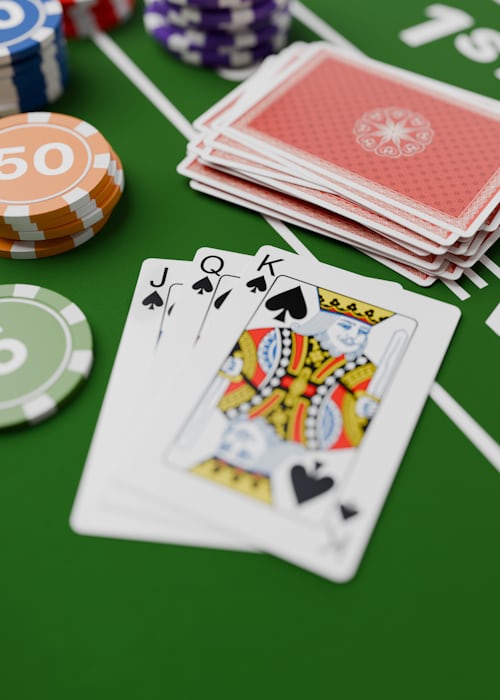
The psychological impact of spatial layout is further enriched by the notion of territoriality. Players often develop a sense of ownership over specific machines or tables, leading to stronger emotional attachments. Casinos leverage this principle by creating comfortable, designated spaces where players can feel secure and in control. This sense of belonging can reinforce loyalty, prompting players to return to the casino, favoring their chosen spots and creating consistent revenue streams.
The Power of Rewards and Incentives
Incentives play a significant role in the psychological design of casinos, influencing player decisions and behaviors. Casinos use various reward systems to motivate players, from loyalty programs to instant bonuses. This approach taps into the human desire for acknowledgment and achievement, fostering a sense of personal investment in the gaming experience. By recognizing players’ loyalty through rewards, casinos enhance emotional connections, making patrons more likely to return for future gaming sessions.
The structure of rewards is also critical to sustaining player interest. Variable rewards, which differ in frequency and magnitude, create a sense of anticipation and excitement. This unpredictability mimics the thrill of gambling itself, as players remain on the edge of their seats, hoping for a larger payout. In this way, casinos craft a behavioral loop, with players continuously drawn back with the promise of potential rewards, maintaining ongoing engagement and increasing overall spending.
Moreover, the psychological principle of loss aversion suggests that individuals are more motivated by the fear of losing what they have than the prospect of gaining something new. By emphasizing potential losses and framing rewards in terms of what players stand to lose, casinos can intensify the drive to play. This strategy effectively manipulates emotional responses, encouraging players to keep gambling in an effort to recover their losses, thereby increasing the casino’s profitability.
The Use of Color and Aesthetics
Color psychology plays a significant role in casino design, influencing moods, behaviors, and perceptions without players consciously realizing it. Color choices are often strategically selected to elicit specific emotional responses that align with the casino’s brand and desired atmosphere. For instance, red is frequently associated with excitement and energy, while blue can evoke calmness and serenity. By incorporating these colors throughout the casino, operators can craft environments that encourage prolonged engagement and positive experiences.

The aesthetic appeal of a casino is not limited to color alone; it also encompasses the overall design scheme, from architectural features to decorative elements. The use of opulent materials, ornate decorations, and luxurious furnishings can create a sense of grandeur, enticing players to immerse themselves in the lavish experience. This allure can lead to higher spending, as patrons become enamored with the environment and more willing to indulge in the entertainment on offer.
Furthermore, creating thematic environments adds another layer of psychological engagement. Casinos often adopt specific themes, transporting players to different worlds, enhancing the escapism that gaming provides. These immersive settings allow players to forget their everyday lives momentarily, stimulating both their imagination and willingness to participate in the gaming experience. As players become more engaged in the thematic atmosphere, they are more likely to spend additional time and money, benefiting the casino’s bottom line.
Conclusion and Further Exploration
The psychology behind casino design is a complex interplay of environmental factors, spatial organization, reward systems, and aesthetic elements. Understanding these principles allows casino operators to create engaging environments that captivate players and enhance their overall experience. By carefully considering how design influences emotions and behaviors, casinos can foster loyalty and encourage continued patronage.
As the gaming industry continues to evolve, further exploration into the psychological effects of design will remain critical. Casinos that adapt to emerging trends, such as incorporating technology and personalized experiences, will likely thrive in this competitive landscape. Ultimately, the successful integration of psychological principles into every aspect of casino design is paramount for achieving sustained success.
For those interested in diving deeper into the world of casino design and its psychological underpinnings, numerous resources and studies are available, offering insights into how these elements shape player experiences. Understanding the nuances of casino design can provide valuable knowledge for both casino operators and gaming enthusiasts alike, as they navigate the intricate relationship between psychology and gaming environments.

