
Are casinos rigged? Understanding the house edge
The Concept of the House Edge
The house edge is a fundamental concept in the gaming industry that determines the mathematical advantage that a casino has over players. This advantage ensures that, over time, the casino will always come out ahead, regardless of individual player outcomes. The house edge varies by game; for example, in games like blackjack, the house edge may be as low as 1%, while in games such as slot machines, it can range from 5% to 15% or more, especially when considering options like online pokies australia that attract many players. Understanding the house edge is essential for players who wish to grasp the dynamics of how casinos operate and the inherent risks of gambling.
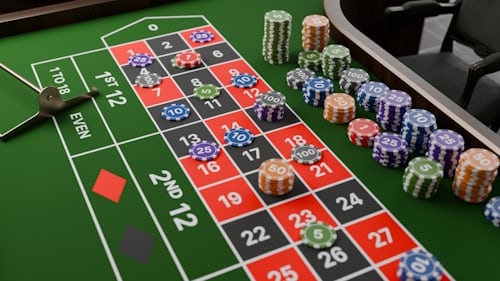
This edge is not indicative of rigging or unfair practices; rather, it reflects the statistical probabilities inherent in the games. For instance, in a game of roulette, certain bets offer lower odds, which translates into a higher house edge. This is not a matter of deception; it is a part of the game’s structure that players must accept. Players can strategize accordingly, knowing that no matter how skillful they may be, the house will statistically win in the long run. Understanding this principle can help manage expectations and promote responsible gambling.
Ultimately, the house edge operates on a long-term basis. While a player might experience short-term wins, over many sessions of play, the mathematical advantage of the casino will assert itself, leading to losses. This is why it’s essential for players to approach gambling as a form of entertainment rather than a way to earn money. By recognizing the inherent risks associated with the house edge, players can enjoy their time at the casino while maintaining an awareness of the financial realities at play.
Are Casinos Rigged or Fair?
The notion of casinos being “rigged” often stems from anecdotal experiences where players feel they have been unfairly treated. However, reputable casinos operate under stringent regulations and are regularly audited for fairness. Gaming commissions and regulatory bodies ensure that games are fair and that the random number generators used in electronic games, such as slots, adhere to specific standards. These checks are crucial in maintaining player trust and ensuring a level playing field.
While the games themselves are designed to have a house edge, this does not equate to rigging in a fraudulent sense. All players are subject to the same odds, and the outcomes are determined by chance within a controlled environment. For example, a slot machine may have a payout percentage displayed, which indicates the proportion of money returned to players over time, not per individual session. Thus, while players may experience losing streaks, these are usually just part of the randomness of the game rather than evidence of fraud.

Moreover, players should be aware that many casinos offer games that require skill, where strategic decisions can improve a player’s chances of winning. Poker is a prime example where players compete against one another rather than the house, meaning skilled players can overcome the odds more effectively. Casinos provide both games of chance and skill, and understanding each type can help players navigate their experiences without falling prey to the misconception that casinos are inherently rigged.
The Role of Regulations and Oversight
Regulation is a crucial aspect of the gaming industry, as it helps to ensure the integrity of the games offered at casinos. Most jurisdictions have established stringent laws governing how casinos operate, requiring them to maintain transparency and fairness. These regulations cover everything from game design to the operation of gaming machines, guaranteeing that everything adheres to industry standards. For instance, in many regions, gaming authorities conduct regular inspections and audits to ensure compliance with regulations.
Additionally, licensed casinos are required to utilize certified random number generators (RNGs) for electronic gaming machines, which ensures that all outcomes are truly random. This certification process helps to eliminate any possibility of manipulating outcomes. Players can have confidence in the integrity of the games they are playing. If a casino is found to be operating unfairly, it can face serious penalties, including fines or loss of its gaming license, which serves as a strong deterrent against fraud.
Furthermore, players are often encouraged to seek out information about the licensing and regulatory status of casinos before playing. This enhances awareness and guides players toward establishments that prioritize fair gaming practices. By doing so, players can enjoy their experience with a sense of confidence, knowing that they are engaging with a legitimate operation that adheres to industry standards and regulations.
Strategies to Mitigate Risks of Gambling
Understanding the house edge and how casinos operate allows players to adopt strategies that can help mitigate their risks while enjoying their gaming experiences. One of the most important strategies is setting a budget before entering a casino. By determining how much money one can afford to lose, players can enjoy gambling without the stress of financial loss. This financial discipline often leads to a more enjoyable experience, as players can focus on the entertainment aspect rather than the pressure of winning back losses.
Moreover, players can research and select games with a lower house edge. For instance, table games like blackjack and baccarat typically offer better odds for players compared to slot machines. Learning the rules and optimal strategies for these games can further enhance the chances of winning. Many online resources and forums offer guides and tips on the best strategies to employ, enabling players to make informed decisions based on statistical analysis.
Finally, it is essential to recognize when to walk away. Setting winning and losing limits can provide a framework for responsible gambling. Players should leave the casino when they reach their predetermined limits to avoid chasing losses or overstaying their welcome. The combination of setting limits, choosing games wisely, and maintaining a responsible attitude towards gambling can significantly enhance the overall experience and minimize potential financial pitfalls.
Our Commitment to Responsible Gaming
At our site, we prioritize responsible gaming and provide a wealth of resources to help players make informed decisions about their gambling activities. Our mission is to create an environment where players can enjoy their experience while understanding the risks and realities of gambling. We believe in transparency and advocate for players to familiarize themselves with the mechanics of the games they are playing, including the concept of the house edge and how it affects their chances of winning.
We offer comprehensive guides, articles, and tools designed to foster a profound understanding of responsible gambling. Players can access information on setting budgets, recognizing gambling behaviors, and seeking help if they feel their gambling is becoming problematic. Our platform also features links to support organizations dedicated to helping individuals who may need assistance, showing our commitment to the welfare of our community.
By promoting awareness and responsible gambling practices, we aim to empower our players to make sensible and informed choices. Our commitment not only enhances the gaming experience but also fosters a healthy relationship with gambling. We believe that with the right knowledge and resources, players can navigate the world of gaming safely and enjoyably.

